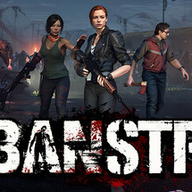
Urban Strife Mission Guide: Unpacking Faction Conflicts & Strategic Choices
Dive deep into Urban Strife missions, understand the complex faction dynamics, and learn how to navigate strategic choices in this tactical zombie RPG.
Navigating the Perilous Streets: An Overview of Urban Strife Missions
In the unforgiving world of Urban Strife, every decision carries weight, especially when it comes to the complex web of factions and the overarching Urban Strife mission to secure your shelter. This tactical zombie RPG thrusts players into a brutal post-apocalyptic landscape where survival hinges not just on combat prowess, but on shrewd alliances and difficult choices. Understanding the intricate plot, particularly the motivations behind faction conflicts, is crucial for any player looking to master their Urban Strife mission and lead their community to safety.
Many players, new and veteran alike, have found themselves grappling with the narrative turns, particularly the seemingly abrupt shift from uneasy coexistence to outright warfare among the various groups. This guide aims to shed light on the underlying mechanics and story justifications, drawing from community discussions and developer insights, to help you better navigate the treacherous political and literal battlegrounds of Urban Strife.
The Early Game: First Encounters and Emerging Factions
Your journey in Urban Strife begins as an immune survivor, rescued and brought into a shelter of mostly older residents. From this relatively safe haven, you're thrust into the dangerous suburbs, initially tackling straightforward tasks like searching for a missing Sheriff and clearing out bandit hideouts. These early Urban Strife mission objectives serve to introduce you to the game's core gameplay loop of exploration, stealth, and tactical combat.
As you venture further, you'll encounter a diverse array of factions, each with their own unique philosophies, customs, and territories:
- The Military: A disciplined, if somewhat insular, group focused on maintaining order and conducting operations within the Quarantine Zone (QZ). Community reports suggest they initially appear relatively benign, even engaging in "games" to steal zombie teeth for benefits.
- The Cultists: A peculiar group dedicated to rituals involving zombies, often seen feeding the undead. Player experience indicates they are initially amicable, albeit unsettling, and primarily wish to be left alone.
- The Bikers: A typical drug-dealing gang, gruff but often friendly towards the player. Their initial interactions involve minor tasks, like dealing with drunk individuals, and they don't seem overtly hostile to other factions.
Initially, these factions maintain a fragile peace, largely minding their own business. Players often approach these early interactions from a "least harm" perspective, finding little overt reason to antagonize any particular group. However, as the game progresses, the narrative pushes players towards a critical juncture, demanding a choice that will inevitably lead to conflict.
The Core Dilemma: Why Factions Must Fall in Urban Strife
One of the most significant points of confusion for players, as highlighted in community discussions, revolves around the game's decision to force conflict between the player's shelter and the other factions. Many players express bewilderment when their shelter decides to "openly attack" groups that haven't shown direct aggression or engaged in overt warfare with each other.
The developer, USG_Omucupixu, clarified this narrative necessity in a Steam discussion, explaining that the game's underlying strategic layer dictates a crucial requirement: only one (or none) of the factions can remain in the suburbs. The player is tasked with initiating their departure. This isn't arbitrary; it stems from the Shelter's traumatic past.
During a previous zombie horde, the Shelter, in an attempt to survive, allowed everyone to join. This led to severe food scarcity, which in turn sparked a riot that almost wiped them out. This experience left the Shelter residents "locked in and paranoid." With news of a new, massive horde approaching, they are unwilling to risk a repeat of history by housing multiple factions with potentially conflicting interests within their walls. The fragile peace currently existing in the suburbs is seen as unsustainable under siege conditions, making the elimination or forced departure of all but one faction a strategic imperative for the Shelter's survival.
While the game's narrative has undergone "a hundred edits," and some backstory dialogue might be lost, the core reasoning remains: preventing internal strife during the impending zombie siege.
Here’s a comparison of initial player impressions versus the strategic reality:
This strategic imperative means that even if a faction seems "amicable," the game's design necessitates their removal for the Shelter's long-term safety, making the Urban Strife mission a test of strategic foresight rather than pure moral alignment.
Navigating Faction Choices: Strategies for Your Urban Strife Mission
Given the underlying strategic layer, players are faced with difficult choices regarding which faction to ally with and which to remove. Your selection of an ally will often dictate your path to dealing with the others. For instance, while some factions might "leave on their own" if you destroy their specific zombie threats, others, like the moonshiners (Bikers), might require more direct action, such as sabotaging their operations or outright eliminating them.
Community members have suggested that these choices feel less impactful when the reasons for conflict aren't clearly articulated. However, from a gameplay perspective, aligning with a faction provides tangible benefits, such as blueprints, resources, and direct assistance in preparing for the horde. These benefits are often tied to completing faction-specific tasks, which may inadvertently antagonize other groups.
When approaching your Urban Strife mission and its faction choices, consider the following:
- Resource Acquisition: Each faction offers unique blueprints or rare resources. Prioritize the faction that provides the most critical upgrades for your shelter and playstyle.
- Combat Support: Some factions might offer direct combat support during the final horde defense, making them a valuable strategic asset.
- Narrative Justification (Player-Driven): Since the game doesn't always provide explicit reasons for conflict, players might need to create their own head-canon. Does one faction's ideology conflict too much with the Shelter's values? Are their actions, however minor, a perceived threat?
- Least Harm (If Possible): While direct conflict is often inevitable, some paths might allow for less brutal outcomes for non-allied factions, such as them simply "leaving" rather than being wiped out.
For those looking to deepen their understanding and potentially discover more about the game's evolving narrative, the official Steam page for Urban Strife offers a wealth of community discussions, developer updates, and a direct link to the game itself: Urban Strife on Steam.
Here's a generalized look at potential faction alignments and their strategic implications:
Note: The specific benefits and outcomes may vary based on game updates and player choices.
Community Insights and Future Directions for Urban Strife Missions
The community has been vocal about improving the narrative justification for the faction conflicts, offering several compelling suggestions that could enhance the player's experience of the Urban Strife mission. These suggestions aim to bridge the gap between the strategic necessity of eliminating factions and a morally satisfying narrative.
- Adding "Nasty Secrets" or Horrible Traits: Players like RMP and Jivebot suggest giving each non-allied faction a dark past or present (e.g., cannibalism, slavery, aggressive raiding, forced addiction). This would make their elimination feel more justifiable, allowing players to make morally grey choices rather than seemingly attacking amicable groups.
- Explicit Faction Hostility: Eight-Six proposed adding radio chatter or visible evidence (like ambushed convoys) to demonstrate existing animosity between factions. This would make the player's choice to side with one against others feel like an intervention in an ongoing conflict, rather than an unprovoked attack.
- Emergency Scenarios: JoshuaAstray suggested creating urgent scenarios for each faction where the player can only resolve one due to limited resources or time. This would force other factions to disband or move due to their inability to hold their ground, providing a more organic reason for their departure than outright war.
- Uniting Against the Horde: Jivebot and Keluric expressed a desire for an option to unite factions against the common zombie threat, at least temporarily. This would offer a different strategic path, allowing for more diverse gameplay outcomes beyond forced conflict.
- Clearer Communication: BlackHawk0169 emphasized the need for clearer in-game communication regarding the "thin line" players walk with factions, ensuring that seemingly helpful actions don't inadvertently lead to war due to perceived incompetence or recklessness.
These community-sourced ideas highlight a strong desire for deeper narrative context and more nuanced decision-making within the Urban Strife mission framework. As an early access title, Urban Strife has the potential to evolve, incorporating feedback to refine its storytelling while maintaining its challenging strategic layer.
Here's a summary of community suggestions for narrative improvements:
Mastering the Mechanics Beyond the Story
While the narrative aspects of the Urban Strife mission have been a point of discussion, the core gameplay mechanics receive widespread praise. Players consistently highlight the game's strengths in:
- Combat: The tactical combat system is engaging and challenging, requiring careful planning and execution.
- Stealth: The ability to sneak past enemies and utilize environmental cover adds a crucial layer of strategy.
- Crafting: A robust crafting system allows players to create essential gear, weapons, and tools for survival.
- Shelter Building and Management: Developing and fortifying your shelter is a rewarding aspect, providing a tangible sense of progress and security.
These strong gameplay foundations are what keep players coming back, even as the story undergoes refinement. The tactical depth and the satisfaction of building up a survivor haven are significant draws, making Urban Strife a compelling experience for fans of the genre. The challenge of a Urban Strife mission extends beyond just understanding the plot; it's about mastering these intricate systems to ensure your survival against overwhelming odds.
Ultimately, Urban Strife presents a compelling, if sometimes narratively opaque, challenge. As the game continues to develop, players hope for a story that fully complements its excellent tactical gameplay, providing clearer motivations and more satisfying consequences for the difficult choices inherent in a post-apocalyptic world.
Frequently Asked Questions
What is the main goal of an Urban Strife mission?
The main goal of an Urban Strife mission is to ensure the survival of your shelter against an impending zombie horde by making strategic alliances with one of the local factions and eliminating or driving out the others. This is necessary to prevent internal conflicts during the siege.
Why do I have to fight other factions in Urban Strife if they seem friendly?
According to developer insights, the game's strategic design requires only one (or none) of the factions to remain in the suburbs to prevent riots and resource conflicts within your shelter during a new zombie horde. The Shelter's past traumatic experiences with internal strife during a previous siege make them paranoid about housing multiple potentially hostile groups.
Can I avoid conflict with all factions in Urban Strife?
While some factions might leave peacefully if you eliminate their specific zombie threats, direct conflict or sabotage is often required for others. The game's core design currently necessitates the player initiating the departure of all but one chosen allied faction.
What are some common player frustrations with Urban Strife missions?
Many players express frustration with the lack of clear narrative justification for attacking seemingly amicable factions. They often wish for more explicit reasons for hostility, such as "nasty secrets" for factions, visible inter-faction conflict, or emergency scenarios that naturally force faction departure.
Related Guides
How to Successfully Locate Professor Ford in Urban Strife: A Complete Quest Guide
Struggling to find the elusive radio expert? Follow our step-by-step guide to locate Professor Ford in Urban Strife and clear the path for your survival.
Mastering the Urban Strife Quest System: A Comprehensive Guide to Survival
Navigate the complex factions and mechanics of Urban Strife with our expert guide to questing, faction zones, and tactical gameplay survival.
Urban Strife How to Destroy Their Booze: A Guide to Managing Faction Relations and Resources
Struggling with the moonshiner mission? Learn how to approach Urban Strife how to destroy their booze and navigate the game's complex faction systems.
Urban Strife The Feds Quest Guide: How to Steal the Safe Without Combat
Struggling with Urban Strife the Feds quest? Learn the best stealth strategies to secure the safe without alerting the Firm in this comprehensive guide.