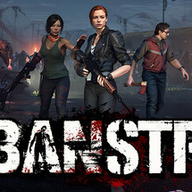
Is Urban Strife Worth It? A Deep Dive Into the Tactical Zombie Survival Experience
Wondering if Urban Strife is worth it? We analyze the combat, base management, and current Early Access state to help you decide if it belongs in your library.
The post-apocalyptic genre is crowded, but if you’ve been scouring the internet asking "is Urban Strife worth it," you are likely looking for that elusive blend of deep tactical combat and gritty survival management. While many titles promise the ultimate zombie experience, few manage to balance the high-stakes pressure of base building with the tactical nuance of turn-based warfare; understanding whether Urban Strife is worth it requires looking past the surface-level gore to see if the core mechanics truly deliver on their ambitious promises.
The Tactical Combat Landscape
At its heart, the game aims to be a spiritual successor to classic tactical titles like Jagged Alliance 2, modernized with a 3D engine and a brutal, realistic ballistic system. Unlike many turn-based games where combat can feel static, this title introduces a dynamic AI system that keeps the pressure on.
Combat Mechanics Comparison
Community reports indicate that the combat is arguably the strongest pillar of the experience. The inclusion of material penetration means that hiding behind a thin wooden wall won’t necessarily save you if a hostile survivor has a high-caliber rifle. However, players have noted that the lack of a "prone" stance can be frustrating, as characters often expose themselves when taking cover.
Survival and Base Management: A High-Pressure Environment
The game doesn't just want you to shoot zombies; it wants you to manage a community. You are thrust into the role of a leader for the "Urban Shelter," a group that is teetering on the edge of total collapse.
Managing your base involves a delicate balance of resource gathering, facility upgrades, and morale maintenance. If you neglect your people—even for a few days—you may find your camp descending into anarchy. According to various player experiences, the survival difficulty is extremely high, perhaps even unforgiving, requiring constant scavenging to keep the lights on and the bellies full.
Resource Management Challenges
- Scavenging: Mandatory for survival, but can feel like a chore during long sessions.
- Base Upgrades: Essential for specialized ammo and defensive structures.
- Morale: Highly volatile; lack of specific items can lead to quick game-over scenarios.
- Faction Politics: Every alliance made with one group typically alienates another.
Narrative Depth and World-Building
Set in the fictional "Urban County" in the American South, the story picks up two years after the initial viral outbreak. The narrative is non-linear in its exploration but follows a fairly set path regarding objective completion.
While the developers have built a reactive world where your choices in dialogue and faction relations shape the outcome, some players feel the writing doesn't always live up to the promise of a true sandbox. You have the freedom to fight almost anyone, but the game’s linear progression often funnels you toward specific locations, which can break the immersion for those expecting a totally open-ended wasteland experience.
The Early Access Reality Check
It is crucial to remember that the game is currently in Early Access. This status comes with significant caveats that potential buyers must consider before pulling the trigger on a purchase.
Current State of Development
If you are a fan of supporting developers during the creation process, you might find value here. However, those looking for a polished, feature-complete experience should exercise caution. You can track the official development updates and community feedback on the Urban Strife Steam Store Page.
Is the Investment Justified?
Deciding whether the game is worth your money depends entirely on what you prioritize in a strategy title. If you are a die-hard fan of turn-based tactical combat and enjoy the "hardcore" side of survival sims, the mechanics in this title offer a unique, gritty flavor that stands out from the crowd.
However, if you are looking for a deep, long-form RPG with extensive narrative freedom and a polished UI, you may want to wait for the 1.0 release. The current version is a diamond in the rough—one that shows immense promise but is currently hampered by the limitations of its development cycle.
Frequently Asked Questions
Is Urban Strife worth it in its current state? For fans of tactical turn-based combat, the game offers a solid, challenging foundation. However, if you prefer a complete, bug-free experience with hours of end-game content, it may be better to wait for a future update.
How does the combat compare to other zombie survival games? Unlike many turn-based games that feel slow, this title uses a simultaneous AI movement system for zombies, which makes encounters feel much more frantic and tense than typical grid-based strategy games.
What are the biggest criticisms from the community? The most common complaints involve the lack of a "speed up" feature for battles, the harshness of the resource management systems, and the recent inclusion of AI-generated character art, which some feel clashes with the game's overall aesthetic.
Does the game offer good replayability? The game features multiple endings and branching faction storylines, which does provide some replay value. However, because the game currently ends after Act 1, the long-term replayability is limited until more content is added.
Related Guides
Urban Strife Full Release Review: Is This Post-Apocalyptic Strategy RPG Worth Your Time?
Dive into our comprehensive review of the Urban Strife full release. We explore the tactical combat, base building, and survival mechanics of this new title.
Urban Strife Gameplay Review: Is This Turn-Based Zombie Survival RPG Worth Your Time?
Dive into our in-depth Urban Strife gameplay review. We explore the mechanics, combat, and survival systems of this new post-apocalyptic strategy RPG.
Urban Strife on Steam Deck: Is This Post-Apocalyptic RPG Ready for Your Handheld?
Thinking about playing Urban Strife on Steam Deck? We break down performance, playability, and whether this zombie RPG is a good fit for your handheld.
Urban Strife Review: Is This Tactical Zombie Survival Game Worth Your Time in 2026?
Is Urban Strife worth playing? We dive into our comprehensive Urban Strife review to analyze the combat, base building, and current Early Access state.